
Understanding Checkweighers: Function, Benefits, and Applications
Precision weighing technology has become indispensable across numerous industries. Checkweighers represent a specialized category of weighing equipment that goes beyond simple measurement to verify product compliance with predetermined weight specifications. This technology serves critical roles in manufacturing, packaging, logistics, and quality assurance operations worldwide.
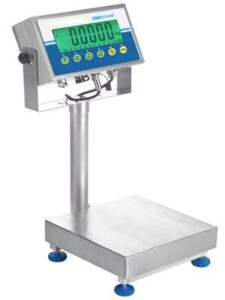
Modern benchtop checkweigher with digital display and visual indicators
Defining Checkweigher Technology
A checkweigher is an automated weighing system engineered to verify whether products conform to established weight parameters. Unlike conventional scales that merely report an item’s weight, checkweighers perform comparative analysis against preset targets or acceptable weight ranges. The system provides immediate feedback through visual signals, audible alerts, or automated sorting mechanisms to indicate compliance status.
These instruments are widely used in industries that require strict weight control, including food processing, beverage production, pharmaceutical manufacturing, packaging operations, and distribution centers. Their primary function is to maintain product consistency, ensure regulatory compliance, and reduce processing time.
Operational Principles
Checkweigher systems integrate mechanical components with advanced electronic controls to perform weighing and verification tasks. When a product arrives at the weighing station, it contacts the platform containing a load cell sensor, which converts the applied force into an electrical signal proportional to the item’s mass. This signal is transmitted to the control unit, where it is processed and displayed.
The controller stores programmed target parameters defined during setup. Upon receiving the weight data, the system compares it against acceptable tolerance ranges. Products within tolerance trigger a positive indicator, commonly a green light. Items outside acceptable limits activate warning indicators, such as red or yellow lights, identifying underweight or overweight conditions. Depending on configuration, non-conforming products may be rejected, diverted for reprocessing, or flagged for inspection.
Advantages of Checkweigher Implementation
Quality Assurance
Industries such as food production and pharmaceuticals require consistent weights to ensure safety, efficacy, and customer satisfaction. Checkweighers detect variations caused by ingredient inconsistencies, equipment drift, or process deviations. Integration with labeling systems further improves operational efficiency.
Regulatory Adherence
Many industries operate under strict regulatory standards related to product weight. Checkweighers help organizations maintain compliance, reducing legal risk and avoiding penalties.
Operational Efficiency
Early detection of weight discrepancies prevents defective products from moving further along the supply chain. This reduces waste, rework costs, and production disruptions, especially in high-volume operations.
Process Enhancement
Modern systems collect valuable performance data that can be analyzed to identify trends, improve filling accuracy, calibrate equipment, and address quality issues proactively.
Customer Confidence
Accurate weights directly influence customer satisfaction and trust. Consistent verification ensures customers receive the quantity they expect, strengthening brand reputation.
Inventory Accuracy
In warehousing and logistics environments, precise weight measurements support inventory accuracy, reduce discrepancies, and improve supply chain efficiency.
Checkweigher Categories
Multiple checkweigher configurations exist to support different production environments. This overview focuses on static checkweighing, commonly used in small to medium-sized operations.
Dynamic In-Motion Systems
Dynamic checkweighers perform weighing on products moving along conveyors at high speed. These systems are common in automated packaging lines and feature integrated rejection mechanisms and production system connectivity. They are ideal for high-throughput environments.
Static Bench-Scale Units
Benchtop checkweighers are stationary systems designed for batch processing, quality sampling, and manual verification. Their simplicity, accuracy, and lower cost make them suitable for many applications.
Key Aspects of Static Checkweighing
- Target weight parameters are set by a supervisor or operator.
- The process is manual, requiring items to be placed on and removed from the scale.
- Visual indicators include lights or screen colors such as green (accept), yellow (under), and red (over).
- Common applications include raw meat, fish, produce, and packaged goods.
- Equipment often consists of bench scales, including washdown-safe models for food environments.
- Modern systems can record quality data such as averages and standard deviation.
Benefits of Static Checkweighing
- High accuracy due to stable, non-moving measurements.
- Versatility for products unsuitable for conveyor systems.
- Low maintenance due to fewer moving components.
Counting-Verification Hybrids
Some checkweighers combine counting and verification modes, allowing piece counting based on unit weight and validation against preset limits. This is particularly useful for inventory management of small parts and components.
Multi-Function Inspection Systems
Advanced checkweighers may integrate metal detection or X-ray inspection to verify weight and screen for contaminants simultaneously. These systems are common in food and pharmaceutical industries and require detailed specification and evaluation.
Best Practices for Checkweigher Operation
Personnel Training
Proper training ensures accurate operation and reliable results. While benchtop units require minimal instruction, advanced systems demand comprehensive training in setup, operation, and maintenance.
Software Integration
Many modern checkweighers integrate with data management platforms for reporting and traceability, enabling informed decision-making and productivity improvements.
Environmental Considerations
Install equipment on stable, vibration-free surfaces and away from air currents or temperature fluctuations. For harsh environments, select models with appropriate ingress protection ratings.
Calibration Protocols
Routine calibration ensures long-term accuracy. Environmental changes and overload conditions can affect measurements, making scheduled verification and documentation essential.
Preventive Maintenance
Regular cleaning and maintenance prevent performance degradation, reduce downtime, and extend equipment lifespan.
Conclusion
Checkweighers are essential tools for industries requiring precise weight verification. By automatically comparing measured values against predefined standards, these systems enhance quality control, ensure compliance, and improve operational efficiency.
As technology advances, checkweighers will continue to evolve with improved accuracy, speed, and functionality, supporting expanding industrial demands for precision and automation.
Contact Federal Scales & Balances today to discuss your application and request a quote